Pressure Washing Before Exterior Painting: Is It Always Necessary?
A fresh coat of paint can completely transform a home's appearance, but the quality of the finish depends on more than just choosing the right color. Proper surface preparation often determines whether your paint job lasts for years or begins peeling after a single season.
If you're searching for a “painting contractor near me in Gresham OR,” you've probably heard that pressure washing is part of the process. While it's commonly recommended, many homeowners still wonder whether it's always required before exterior painting.
The short answer is that pressure washing is usually beneficial, but not every home requires the same level of cleaning. A qualified exterior house painter in Gresham Oregon will evaluate the condition of your siding, trim, and existing paint before deciding on the best preparation method.
Working with an experienced painting company ensures the right cleaning approach is used for your home's materials, helping maximize paint adhesion and overall durability.
In this guide, you'll learn when pressure washing is necessary, when alternative cleaning methods may be better, and how proper preparation protects your investment.
Why Surface Preparation Matters
Exterior paint needs a clean, stable surface to bond correctly. Dirt, pollen, mold, mildew, chalky residue, and loose paint all interfere with adhesion.
Without proper preparation, new paint may:
Peel prematurely
Bubble or blister
Crack over time
Fade unevenly
Develop moisture-related problems
Cleaning removes contaminants that prevent paint from forming a strong bond with the surface.
What Pressure Washing Removes
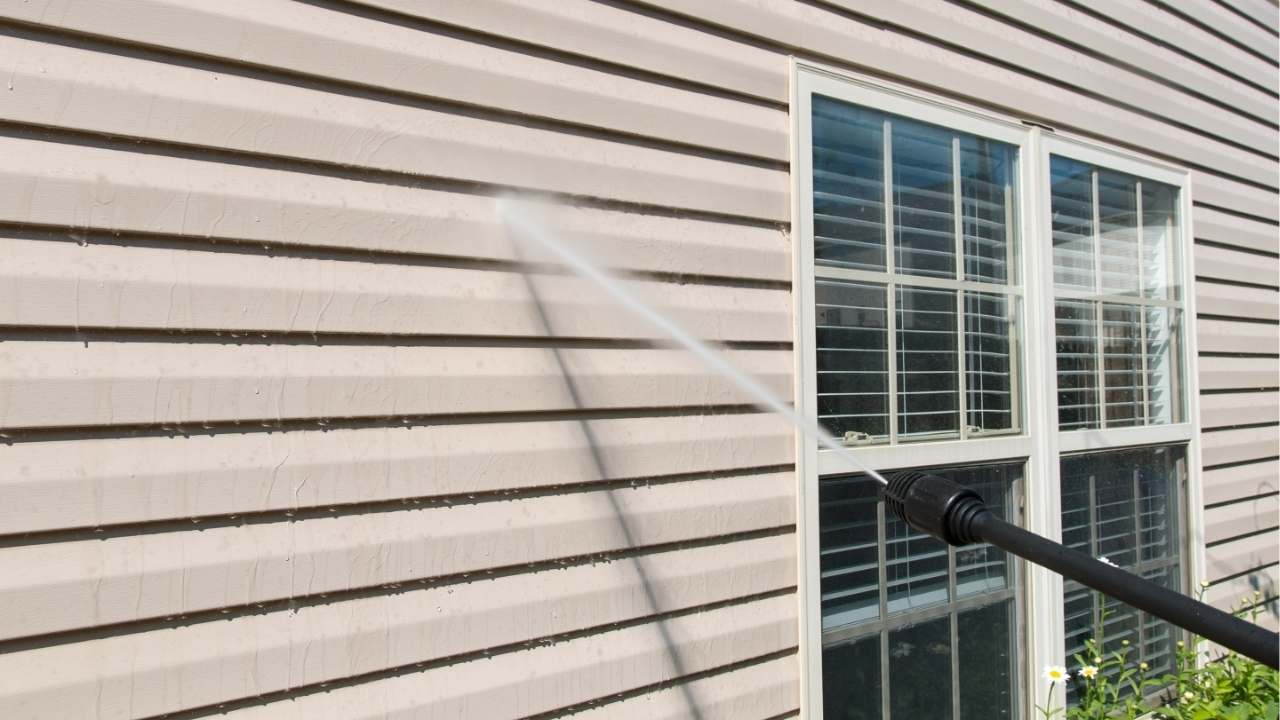
Pressure washing is an efficient way to clean large exterior surfaces before painting.
It helps eliminate:
Dirt buildup
Dust
Mold
Mildew
Algae
Cobwebs
Loose paint flakes
Pollen
Tree sap residue
By removing these contaminants, painters create a cleaner surface that allows primer and paint to adhere much more effectively.
Is Pressure Washing Always Necessary?
Not always.
The answer depends on several factors, including:
The Age of the Home
Older homes often accumulate years of dirt, mildew, and oxidation, making pressure washing highly beneficial.
Existing Paint Condition
If the paint is already peeling or chalking heavily, pressure washing helps remove weak material before scraping and sanding begin.
Surface Material
Some materials tolerate pressure washing well, while others require gentler cleaning.
Examples include:
Vinyl siding
Fiber cement
Brick
Stucco
Wood siding
Composite siding
Each surface has different pressure requirements to avoid damage.
Amount of Dirt
Homes located near busy roads, wooded areas, or high-moisture environments often accumulate more grime than homes in cleaner, drier neighborhoods.
When Pressure Washing May Not Be the Best Choice
Although pressure washing is effective, there are situations where alternative cleaning methods are safer.
These include:
Older wood siding with soft or deteriorating boards
Historic homes
Delicate trim details
Damaged caulking
Loose siding panels
High water pressure can force moisture behind siding, damage wood fibers, or create additional repairs if used incorrectly.
Professional painters may instead use:
Soft washing
Hand washing
Mild detergents
Low-pressure rinsing
Scrubbing with cleaning solutions
The goal is always to clean thoroughly without damaging the surface.
How Long Should You Wait After Pressure Washing?
One of the biggest mistakes homeowners make is painting too soon.
Exterior surfaces must dry completely before primer or paint is applied.
Drying time depends on:
Temperature
Humidity
Sun exposure
Wind
Surface material
In many cases, professionals wait between 24 and 48 hours after washing before painting begins.
Moisture trapped beneath fresh paint can cause blistering, peeling, and premature failure.
What Happens If You Skip Cleaning?
Painting over dirty siding creates several long-term problems.
Common issues include:
Weak paint adhesion
Shorter paint lifespan
Visible dirt trapped beneath paint
Peeling around dusty areas
Mold continuing to grow beneath coatings
Skipping preparation often leads to expensive repainting much sooner than expected.
Case Study: Proper Preparation Prevented Early Paint Failure
A homeowner planned to repaint a two-story home that looked clean from the street. During inspection, the painter discovered heavy mildew on the shaded north side and chalky residue across much of the siding. Instead of painting immediately, the crew pressure washed the durable surfaces, treated mildew, scraped loose paint, and allowed everything to dry for two days. After painting, the finish cured evenly with excellent adhesion. Several years later, the coating continued to perform well with minimal fading or peeling, demonstrating how thorough preparation can significantly extend the life of an exterior paint job.
Additional Surface Preparation Steps
Pressure washing is only one part of a complete preparation process.
Professional painters often perform:
Scraping peeling paint
Sanding rough edges
Replacing damaged wood
Filling cracks
Recaulking joints
Spot priming bare surfaces
Protecting landscaping
Covering windows and fixtures
These steps help create a smooth, long-lasting finish.
Benefits of Professional Evaluation
Every home has unique preparation needs.
A professional inspection determines:
Whether pressure washing is appropriate
Which cleaning method is safest
Areas requiring repairs
Moisture concerns
Existing coating condition
Primer requirements
This customized approach prevents unnecessary damage while ensuring excellent paint performance.
Signs Your Home Needs Pressure Washing Before Painting
You may benefit from pressure washing if you notice:
Green or black mildew
Chalky residue on your hand after touching siding
Heavy dust buildup
Spider webs
Dirt streaks
Pollen accumulation
Peeling paint
Algae growth
These contaminants reduce paint adhesion and should be removed before painting begins.
Final Thoughts
Pressure washing before exterior painting is often an important part of achieving a beautiful, durable finish, but it isn't automatically the right solution for every home. The condition of your siding, the type of material, and the amount of buildup all determine the safest and most effective preparation method. A professional evaluation ensures the surface is cleaned properly without causing unnecessary damage, giving your new paint the best possible chance to last for years.
Contact us today to schedule a professional exterior painting consultation and learn the best preparation approach for your home.